
Greetings and welcome back! Over 80% of you opened my first newsletter featuring Zahra Nader in November which is astounding! I truly hope these profiles take a life of their own and get discovered over and over again by other journalists of colour in need of community and solidarity💪🏽
I always get sentimental in December as I reflect on the past year and gear up for the next one. (It’s also my birthday in a few days, so don’t mind me as I ponder my mortality😳)
This month marks an interesting time as Myanmar is set to hold its first general election since the military seized power in 2021. I’m sure we all remember that aerobics video with tanks rolling in the background. What an amazing piece of internet history.
So, I thought it was fitting to feature the incredible Wa Lone, a Pulitzer Prize-winning Reuters correspondent from Myanmar, who is currently based in Toronto.
His reporting on the massacre of Rohingya Muslims in 2017 won him and his colleagues several journalism awards, including the Pulitzer Prize in international reporting.
Most of you would remember that Wa Lone and his colleague Kyaw Soe Oo were arrested in 2017 after their investigations. It was a huge moment seeing them finally walk free in 2019.
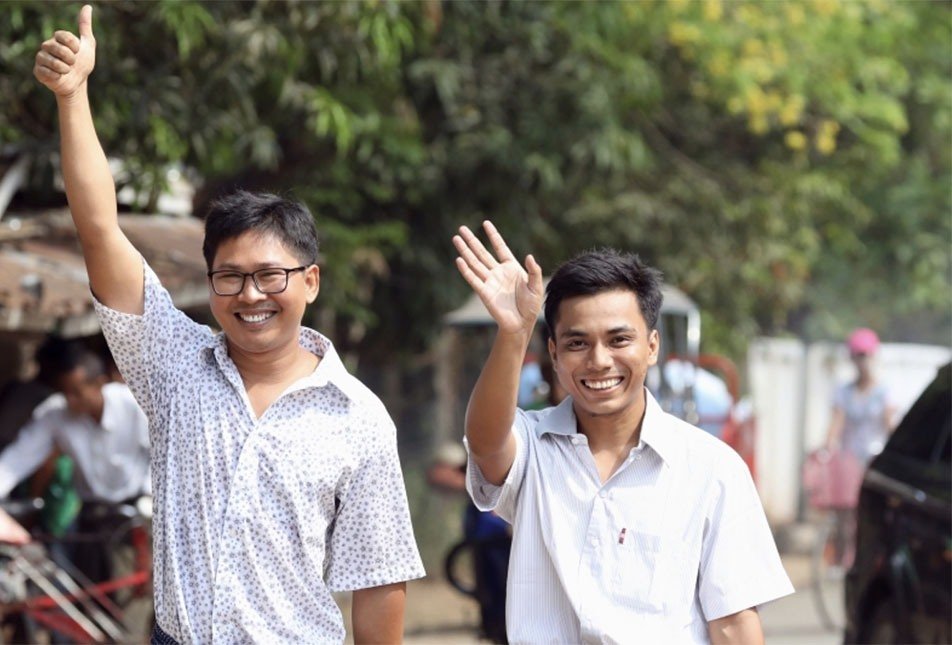
Press freedom is going through a very turbulent time right now globally, so I feel very honoured to hear Wa Lone’s wise words.
Why did you want to become a journalist?
I became a journalist because I wanted to tell stories that matter, especially stories about people who are often ignored. I was curious about how the world works and how decisions made by powerful people affect everyday lives.
I’ve worked on many different stories, but reporting in Myanmar was a turning point. Covering the Rohingya crisis helped me understand the importance of telling hard truths. It taught me how to report with care and courage.
How did you learn how to navigate newsrooms? What advice do you have?
I learned by asking questions, making mistakes, and finding mentors even outside the newsroom. Newsrooms can be tough, especially when you feel like you don’t belong. My advice is: don’t try to fit in by hiding who you are.
Your background and voice are important. Find people who support you, and don’t be afraid to speak up. My experience has had ups and downs, but I’ve learned how to stand up for myself and others.
How does your heritage influence your work?
My background affects everything I do. I come from a family that had to work hard to survive, and that helps me understand the struggles of others. I care deeply about stories that deal with injustice, inequality, and culture.
Many journalists, myself included, were supporting you and Kyaw Soe Oo when you were arrested. What advice would you give journalists of colour who find themselves targeted for their reporting?
Thank you, the support meant a lot. My advice is: know your rights and build strong networks. If you’re being targeted, it’s not just about you - it’s about silencing the people you’re reporting on.
Stay focused on your mission, and don’t be afraid to ask for help. There are many journalists around the world who understand and will stand with you.
What does it mean to be "unbiased" and "impartial" in this political era?
That’s a powerful question. At Reuters, we follow the Trust Principles, which guide us to report with independence, integrity, and freedom from bias. That means we don’t take sides, we don’t push opinions, and we always aim to tell the truth based on facts. These principles help us stay focused on fair and accurate reporting, even when the world around us is divided.
But being a journalist of colour in today’s political climate adds complexity. We often see injustice up close - in our communities, in our families, and in our own lives. That experience doesn’t make us biased. It gives us a deeper understanding of the issues we cover.
We can report with fairness while also asking hard questions and giving voice to people who are often ignored. Being unbiased doesn’t mean being silent. It means being honest, careful, and transparent in how we report.
So yes, it’s possible but it takes awareness, strong ethics, and support from editors who understand that fairness doesn’t mean ignoring reality.
What advice would have helped you when you started your career?
I wish I knew that it’s okay to ask for help and to speak up. I wish someone told me that my voice matters, even if I’m still learning. Journalism isn’t just about being fast - it’s about building trust.
For new journalists: read a lot, listen carefully, and don’t be afraid to challenge unfairness.
Don’t wait for permission. Tell the stories that matter to you. And remember: you’re not alone.
What story are you most proud of?
I’m proud of the investigation I did in Myanmar during the Rohingya crisis. It was a difficult time, and the reporting helped bring global attention to what was happening.
One story I’ll never forget was about Rohingya families who were trapped and surrounded by hostile neighbours during communal violence. I heard that they had received food, supplies, and some protection from the government because of my reporting. It was a small but meaningful impact, and it reminded me why journalism matters.

Why is it important for people of colour to stay in the industry?
Journalism needs people to make sure all communities are seen and heard. I stay because I believe in the power of storytelling to make change.
Journalism at times is very difficult. What brings you joy and how do you protect your energy?
I find joy in spending time with my family and community, with people who trust me, colleagues who support me, and stories that make a real difference. I protect my energy by taking breaks and reminding myself that I’m more than just my job.
I also save my energy for my little daughter, who means everything to me. I enjoy taking street photography and at home, washing dishes - I’m not great at cooking!
I also make time to meet friends regularly. These simple things help me stay grounded and balanced.
One of my favourite facts about Wa Lone is that, while in jail, he wrote a children’s book!
I hope you found his interview illuminating as you navigate your own journalism path. I would love to know what you think!
See you all next month,
Lin
Have pearls of wisdom you want to impart or know someone who does? Tell me about it on email or fill out this simple, anonymous form!
Feel free to forward this newsletter to your friends and colleagues, or share it on LinkedIn🙏🏽 And if you were forwarded this newsletter, you can sign up here.
Email: [email protected]
LinkedIn: @lintaylor
Instagram: @lintaylorjourno
