
Hello hello 2026! I’m sooo ready for a new year and fresh adventures✨(Bring on that Year of the Horse energy!)
As I was mulling over what this year could entail, I kept coming back to the concept of community.
I love that most of us don’t treat our readers/viewers/listeners as an “audience” to be “targeted”, but as a living, breathing community. There’s this unspoken sense of responsibility to our community (elders, aunties, uncles etc) that makes us want to be better journalists.
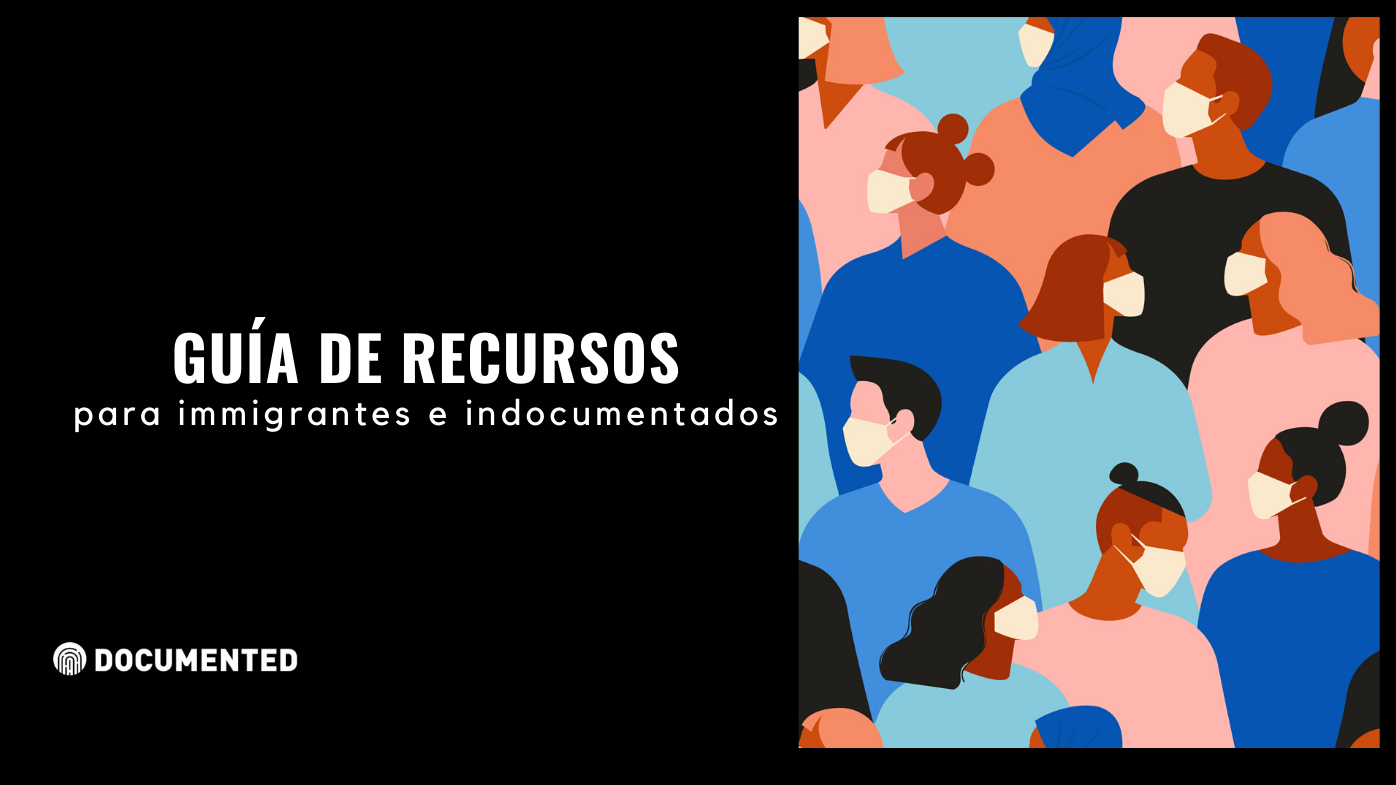
Which is why when I came across Documented a few months ago, a newsroom that covers immigration in New York, I was incredibly inspired (and RELIEVED) knowing that you can do journalism in a way that is informative and holds power to account, while directly serving the communities you report on. It’s such a refreshing business model.
Their stories are translated and reach immigrants via WhatsApp, NextDoor and WeChat. They also have practical resources for immigrants. I’m such a fan.
So, of course, I had to profile one of their many amazing journalists doing this work. This month, I’m so happy to feature Rommel H. Ojeda, a bilingual journalist reporting on immigration and issues affecting the Latino community in New York.

Can you tell me about your journey into journalism?
Growing up as an immigrant meant that I was expected - by both external perceptions and community pressures - to choose a career that was financially stable and secure.
Towards the end of my senior year, I tried following in my father’s footsteps. He was a construction worker and got me a gig at a site he was managing. I did my best, but I wasn’t great at mixing cement. Honestly though, I felt disheartened by the idea that I might be limited by where I was born.
Still, a part of me wanted to challenge that narrative that immigrants like me couldn’t go to college. That meant accepting I’d have to pay out of pocket and that I’d need to juggle a full-time, minimum-wage job while attending school.
I graduated during the pandemic and started writing for local newspapers in Brooklyn. But I wanted to sharpen my skills, especially at a time when stories about marginalized communities weren’t being covered with the respect they deserved.
That led me to enroll at the Craig Newmark Graduate School of Journalism, where I joined the Bilingual Journalism program to learn how to report for Latino communities, in our language. It was one of the best decisions I’ve ever made.
During grad school, I met one of my mentors, Nicolás Ríos, who was working at Documented. He introduced me to the organization, and I began writing guides and explainers for them. Soon after, I was hired full-time as a Community Correspondent, leading our Spanish newsletter and flagship product, Documented Semanal.
In January 2025, I was promoted to Senior Community Correspondent, where I write about issues that impact the Latino community, oversee our Spanish content creation, and mentor our new Community Correspondent.
Why did you want to become a journalist?
At first, I wanted to become a journalist to understand how the world works. I realized that many people around me didn’t really understand how things worked in politics. They didn’t know the names of the politicians representing them, and honestly, I didn’t either.
Through that experience, I started to see that there were many people like me who felt disconnected from politics. Part of me wanted to share what I was learning with them - and eventually, I wanted them to participate in that process too, even to help shape the news itself.
This was important because it was around 2018, after Trump had already won the presidency and had begun targeting immigrants.
There were so many immigrant stories being told at the time, but I felt they weren’t capturing the resilience of our communities. They didn’t reflect my perception of what it meant to be an immigrant. They did not represent how much I had to forge my own experience to be able to smile day after day.
Somehow, I felt they were infantilizing many immigrants like myself. That’s really how I became a journalist. And I’m still becoming one, because journalism is a constant learning process.
How do you cover immigration when that beat might impact you or your community?
In the United States, I’m considered a Latino immigrant, or Hispanic. In Ecuador, I’d be seen as Mestizo - a label with its own particular meaning and history. This is corny, but over time, I’ve realized that, more than anything, I identify as a New Yorker who has lived a fragment of the immigrant experience.
I think finding a community inside these labels have given me the access to navigate spaces that are often excluded from traditional news media.
Covering immigration is incredibly difficult for everyone, but especially for those of us who are part of that story ourselves.
Today, we’re seeing entire communities being affected, particularly people of color who are often racially profiled or stopped, even when they are U.S. citizens. Journalists are beginning to recognize how widespread the impact has become.
As an immigrant myself, there’s an added layer of sensitivity. Writing these stories can sometimes be perceived, especially under certain administrations, as taking a stance against the government. Still, maintaining fairness means continuing to seek input from all sides.
Being an immigrant reporter also comes with personal risks. I have family members and loved ones who could be affected by the very systems I’m reporting on. There’s always the fear of becoming part of the story myself, which makes this work emotionally demanding.
What helps me is keeping sight of the bigger picture and understanding the value of what I bring to my reporting. My immigrant experience gives me cultural insight and empathy, allowing me to tell stories that humanize people rather than reduce them to statistics or stereotypes.
It’s still challenging, and it can take a toll on mental health. For me, it’s about finding moments to step back, stay grounded, and remain as unbiased as possible even while covering topics that are, by their very nature, deeply political.
What advice would have benefited little Rommel when he was starting out?
If I could tell little Rommel something, I’d say: keep asking questions. Keep asking for help. Keep sharing what’s on your mind.
In the beginning, one of my biggest challenges was not having financial backing. I couldn’t afford to take unpaid internships or gain the same kind of experience that many of my peers had by the time they graduated. While others were learning how to write nutgrafs or edit for newspapers, my early experiences were mostly working jobs like selling bagels.
For a long time, I tried to figure everything out on my own. How things worked, new techniques, how to navigate spaces that were unfamiliar. But once I started reaching out and asking for help, I realized I wasn’t alone.
Journalism is a small world. You keep running into the same people at conferences, in coffee shops, in the field. Learning to ask questions and seek help earlier would have made a huge difference. Maybe I would’ve gotten where I am now a bit sooner. Whether that’s good or bad, who knows.
What I do know is that I’d encourage anyone who’s just starting out, anyone who has doubts, to ask for help. Ask your friends, your mentors, even the people you admire.
Why is it still important for people of colour to be in this field?
I think it’s important to work in this industry, even when it doesn’t pay well or bring the kind of success people often expect after earning a degree. Because no one understands our communities and cultures the way we do.
For example, in the U.S., there are so many people like me, people who might not see college as an option or who don’t yet realize the opportunities available to them. Through journalism, I can share information and resources that help others access programs, scholarships, or forms of assistance that could make education more attainable. Maybe they won’t have to struggle the way I did.
That’s why representation in journalism matters. We understand our communities, how they think, how they consume information. That insight alone is reason enough for us to have a seat at the table.
I would like to see more journalists from underrepresented backgrounds enter the profession and tell the smaller, everyday stories that big newsrooms often overlook. These stories might not generate profit or attract massive audiences, but they matter deeply to the people they’re about.
Even if only a handful of readers engage with them, their existence signals that something needs to change. Our industry must do more to truly represent everyone in this country, not just a select few.
What do you do to protect your energy? What brings you joy?
What really brings me joy is sharing my articles with the people I interview or contact. I want them to see themselves in the story and to know that there are people holding institutions accountable. That’s very important to me, and it’s one of the main reasons I write everything in Spanish too.
If I interview someone in Spanish, I want them to be able to read their own words in their language and say, “Yes, this is what I told you.” And if it’s not, I want them to tell me that too. I appreciate when they hold me accountable, it makes me a better journalist.
Like many journalists, my dream is to create impact. There’s so much information out there, but many people don’t know how to access it. And even when they do, they often don’t know if they qualify or if it’s safe to apply because of their immigration status. I know I can’t change the world, but I learned that I can help people access actionable information - and that is a big win for me, which gives me more energy to continue the work. 🙂
Those moments keep me going, because they remind me of the things I wish my parents or neighbors had known.
Outside of journalism, I also run marathons. Running has become one of the best ways for me to clear my head. It helps me stay grounded and focused.
I absolutely love how journalism and community are directly linked because of Rommel’s working class, immigrant experience - a bridging role that is becoming increasingly important as more governments clamp down on migration.
Perhaps being that bridge between information, politics and community is something that journalists of colour should lean into and recognise as a strength, not a burden? Or is that asking too much? Would love to hear your thoughts!
See you all next month,
Lin
Have pearls of wisdom you want to impart or know someone who does? Tell me about it on email or fill out this simple, anonymous form!
Feel free to forward this newsletter to your friends and colleagues, or share it on LinkedIn🙏🏽 And if you were forwarded this newsletter, you can sign up here.
Email: [email protected]
LinkedIn: @lintaylor
Instagram: @lintaylorjourno
