
Hello August! I am halfway through the school summer holidays and my brain is melting while I juggle childcare and everything else in my life ☀️ It’s been fun but chaotic.
As each year rolls by, I feel like the northern hemisphere is increasingly becoming like Australia with the extreme heat, drought and wildfires. And it’s even more concerning when climate desks are getting axed and seasoned journalists are no longer there to provide their expertise. What’s next?!
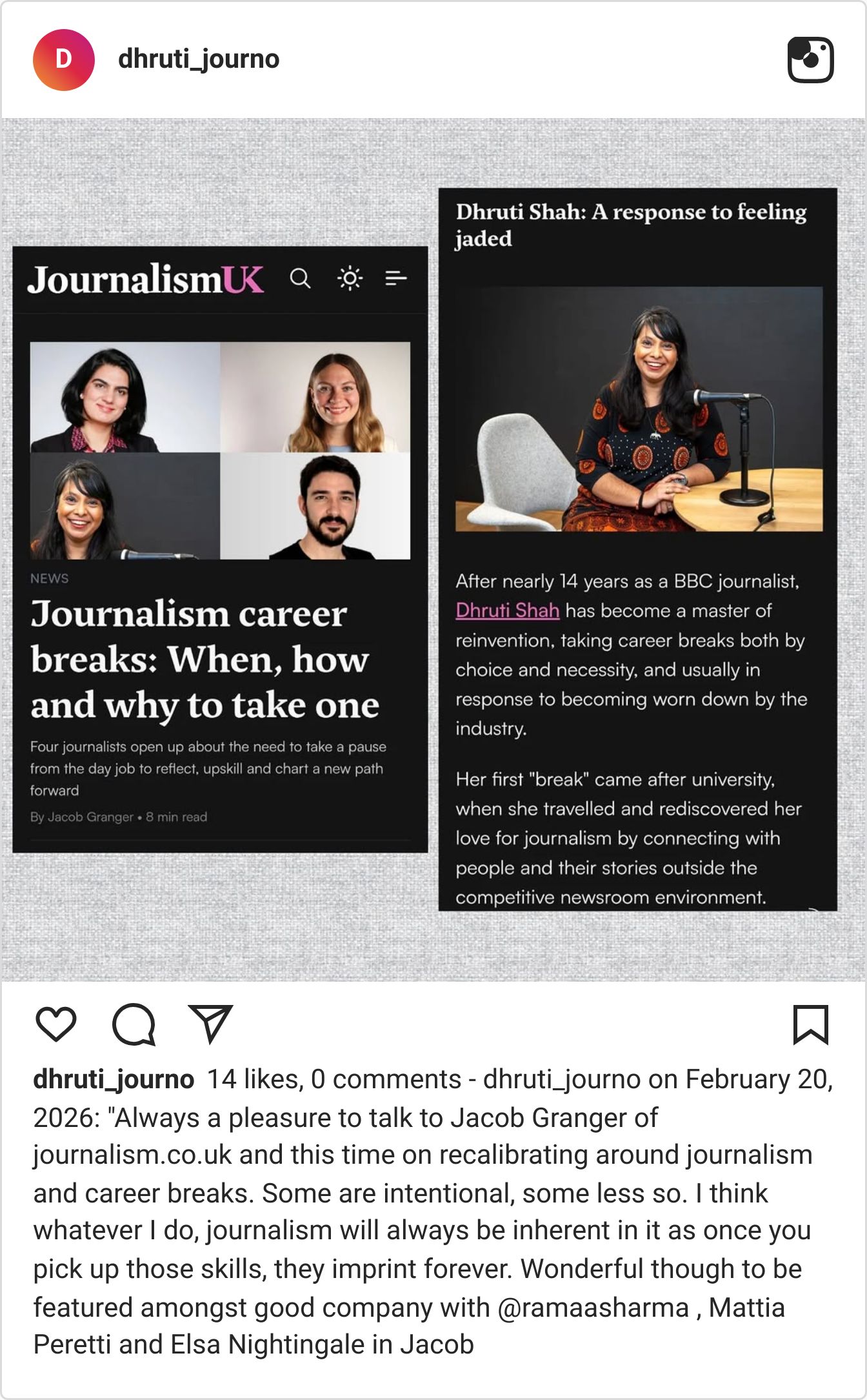
It got me thinking about journalists with multi-hyphenate careers / side hustles (whatever you want to call it!). People like the formidable Dhruti Shah, who was one of the first people I interviewed for this newsletter. She is probably best known for her work at the BBC, but I think her post-BBC career is what makes her so interesting.
Dhruti now runs a newsletter called ‘Have You Thought About…’ and a podcast, where she interviews people about how they use their passions to shape their lives. She is also a poet, author, coach and media consultant. (There are probably things I’ve left out!)
We had a long chat about mid-career journalism life, being a woman of colour, mental health and neurodivergence. I found our conversation soo nourishing!

Why did you want to become a journalist?
I'm going to go back to being eight years old, because it's a pivotal moment in terms of watching Newsround on BBC. It’s a UK news show for kids and I think having that exposure was huge.
I came from a working-class family, a low socioeconomic background. My family were immigrants to the UK, journalism was not something that we had exposure to. I didn't know any journalists. It was a very middle-class, very unusual career path to think about.
I read a lot of comics as a kid. I think a lot of Desi kids actually read ‘Archie’ comics and the characters had a newspaper at school. I used to read ‘Sweet Valley High’ and Elizabeth Wakefield was a journalist too. So having exposure through the arts to journalism, that helped drive me to the path where I am now.
Because I didn't have any contacts, I was very lucky that I found a way to do work experience at the local paper. I'm really sad that the local papers were decimated. I’m glad there is now a resurgence through digital means for local news.
I ended up studying at Oxford University. There weren't a lot of people like me there at all. But I was told that that was the way in which to become a journalist. However, just because you went to somewhere like Oxford, if you come from a state school background, you don't necessarily have those additional qualifiers. You know, the confidence that comes from a private school education.
How did you end up at the BBC?
The Oxford background didn't actually help me become a journalist. I think it's a pathway for people who already have those connections. I think if you have got melanin, conventional pathways aren't always the way that would propel you forward.
I did end up at the BBC via the journalism trainee scheme. I started at Radio 1 Newsbeat and 1Xtra. And then on Saturdays I'd go in because I had a writing background, I'd go and do some extra work on the BBC News website. It meant that when a role came up at the website, I was in a stronger position to get hired.
I wasn't handed a staff job or anything at the start of my career. Some people got staff jobs straightaway, but for many of us, it was contracts and having to navigate a structure that was constantly changing. It took several years and a lot of understanding on how to navigate such an institution to become a staffer.
It should be acknowledged that for people like you and I, it is a lot more difficult to get into these staff positions because our starting points aren't equal.
So I worked at Panorama, I worked in Newsgathering, I worked on the BBC News website, in the Business Unit; I even worked in Washington DC. I tried to bring as many original stories as I could.
What advice would you give journalists of colour starting their careers?
You need to make allies. Allies aren't necessarily friends. But you need to make allies because you cannot do journalism or navigate these spaces alone.
As someone who's currently independent and is really trying to rebuild a community and figure stuff out, I will say that it's so important that you build spaces where you can trust people and they can trust you. But that doesn't mean it all has to be transactional.
It's also really important that you take notes, take that screengrab of that time that you did this, or if someone says something nice about you and what you contributed. It's not about validation, but it's a massive part of the record-keeping.
I will keep a note of all of the good things that happen because it's important that I don't get erased - because I know what it's like to be erased. I know what it's like to have someone else take credit for what you've done and if you say something, you're deemed a troublemaker.
You’re often known for your verification work at the BBC and you’ve written about the mental health toll. Can you talk about that?
When the Arab Spring happened, I was working at the user-generated content hub, which was very much about verification. Even though we weren't going out into war zones, we were doing a lot of the mapping, the open source investigations that a lot of people are taking ownership of now.
At that point in time, 2011, 2012, nobody was talking about mental health when it comes to social media the way that they are now. I mean, there's still quite a long way to go, but at that point, there was less than the bare minimum.
A lot of this is about repeated exposure. People were getting sick. I got sick. We learned things from our colleagues at the Arabic service. For example, with Syria, you need to warn people that this is graphic material coming up, where the location is, because you don't know if it's their family members. This isn't just a war. This isn't just a story. This is something that is affecting people that I'm directly working with.
I ended up building a reputation where I was like, ‘I don't understand why we're not talking about this. Why are there no procedures in place to help us so that we don't all go completely insane?’
Having a brown woman at that point in time was also a little bit unusual because often the people that would be put forward were the white managers. It doesn't have to be tokenistic. And that's one of the reasons I would take on these positions and talk openly about the toll working in tackling disinformation can take on you.
Was I comfortable being in these public spaces? No. Am I someone who likes to hide away? Yes. But it's something that you end up getting used to because if you're not on camera, if you're not showing up at these events, there are plenty of other people who will do it instead.
I really don't think I'm anything special. But I understand there is a responsibility for people like us to step forward in these places. So I did a lot of that.
What’s something you wish you knew when you were starting out?
It's not a fair industry. You have to be aware of your race. And I wish I'd known that because I really think I wouldn't have lost so many years in terms of trying to navigate a pathway.
You have to understand that if you're a brown woman, you'll be pitted against another brown woman, even though you're completely different entities. You have to understand that you will have to take on additional emotional labour, and that your experience will not necessarily be the same as someone who is white.
I mean, that might be different in places where there’s a global majority population, and I completely accept that. But I think being in the UK, I wish I'd been a bit less naive about that - that class is a consideration, that race is a consideration, that womanhood is a consideration. They're all amazing elements that make me who I am, but for others they can be problematic.
Therefore you need your own armour so you don’t get caught up in the crap and the politics.
How does your ethnicity and background influence your work?
My parents are twice migrants and I have an Indian-Kenyan heritage. I am fortunate to have this dual heritage that brings that openness to different things. I do really think that comes from our ancestors and our forefathers and mothers that we've had to be open and people of global majority often have to go through a lot of post-traumatic growth in order to move on. I really think that comes through in the blood. Colonialism plays a huge role in this.
Why did you decide to go freelance?
During the pandemic, I interviewed probably thousands of people about their loved ones dying. All those conversations made me realise how short life is and actually, what do I want my story to be?
I'd reached some glass ceilings; I pushed as far as I could go. Being a woman of colour in this industry, I've got a book, I've got thousands of stories, I've won awards, I've done this and that, and yet I'm still not progressing in the way that I thought I would.
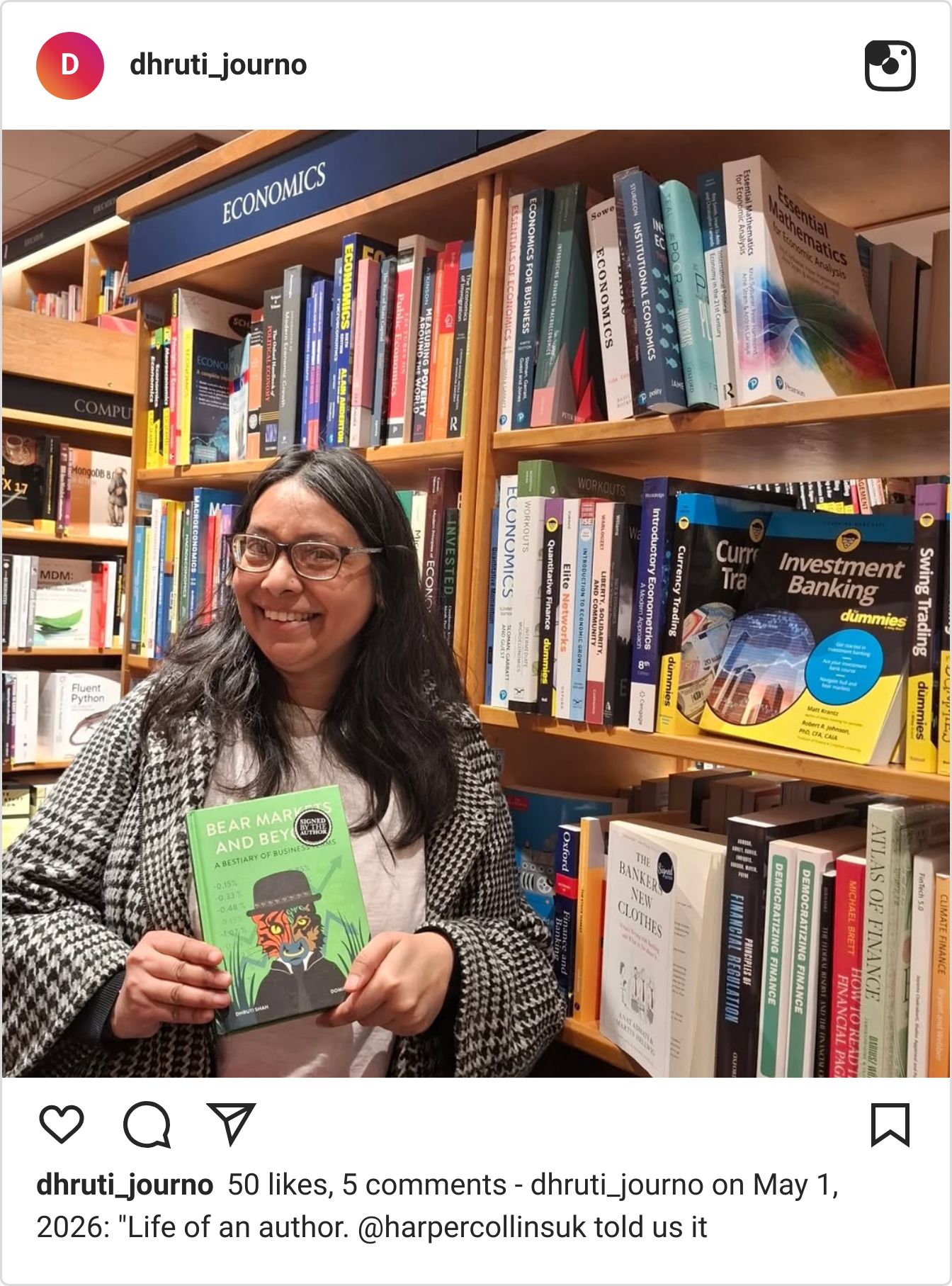
I know that I'm a good journalist but I'd sort of reached the end of my line in this chapter. That saddened me but also made me realise that if I didn't try and do something different, then I probably wouldn't move from my path at all. It was a chance for me to take ownership of my next move.
How has freelance life been so far?
I got diagnosed with ADHD and autism after I left. It would have been interesting to see how it would have panned out if people were aware of my neurodivergence. I’ve always offered unusual treatments in my storytelling and journalism; now I have some labels which help others understand why I think so differently and can be so creative.
I actually thought I'd leave and I'd just become a writer and it'd all be great and I'd get paid and I'd be able to survive. It has not necessarily panned out in that way. This is the strangest employment and freelance climate. I have had to diversify my income stream - and that involves doing some amazing things.
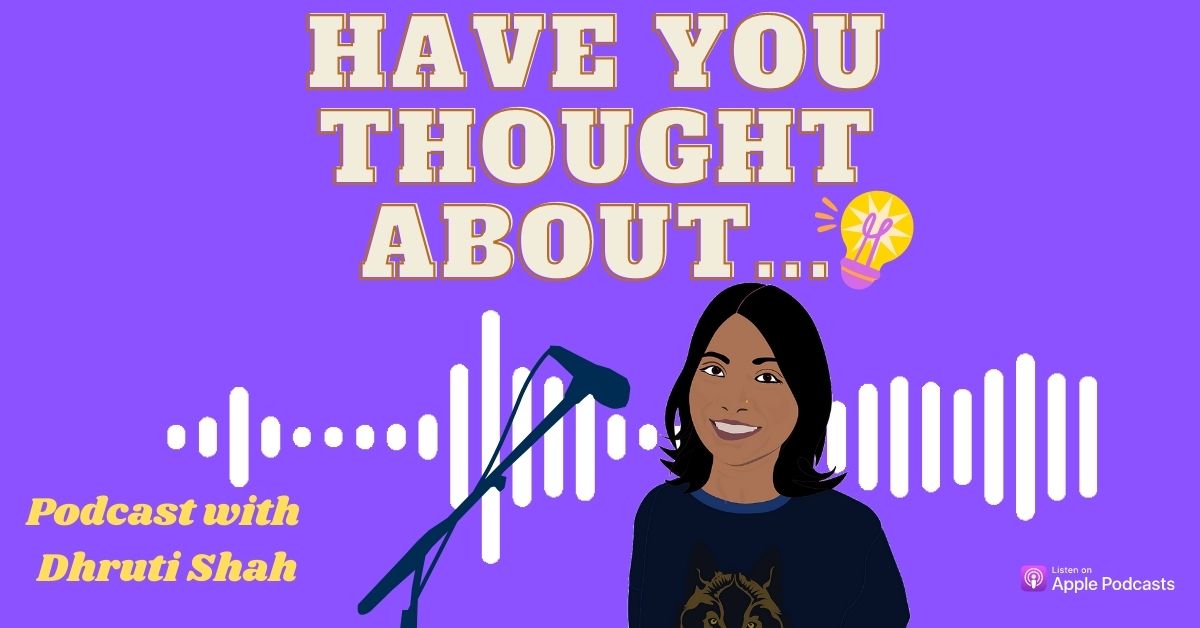
I hosted podcasts for some huge global organisations. I created my own podcast because I was feeling quite lonely and that got shortlisted for an award. I have still been able to write for some amazing organisations and I was a finalist for a travel writing award too.
I’ve also been building up communities, especially with women of colour who are in what I'm calling ‘the betwixt stage’. We're at this stage where we've hit these milestones, and now what? Where do we head next? But the world is not necessarily set up for us because we're not young, so there's not like schemes that can help you transition in that space.
I actually wanted to ask you about mid-career journalism life. Can you talk more about that?
We've worked so damn hard. So why is it so difficult to move forward? So many people are leaving the industry because they're exhausted, because they can't afford it. People are underemployed in ways which they really shouldn't be.
There are days where I'm busting it like a boss woman. And then there are days where I'm like, there's no one who wants me. And I'm more than happy to bring my chair to the table. I'm not shy about putting myself forward for things. It's so strange. It makes no sense.
Having a betwixt stage is not a bad thing because we are shifting the milestones. But it's the fact that people are coming with so much experience, whether it's journalism, whether it's publishing, whatever industry it is, and are feeling lost when they shouldn't need to.
Sometimes I say things like this and I'm like, ‘God, am I now putting myself in the firing line?’ When you do put your head up above the parapet and you do talk about race, it does feel that there is that additional risk element. Should I talk about race? Should I not talk about race? But then if we don't talk about it and how it affects our lived experiences, then people often feel quite isolated.
When you're successful in ways that people don't expect you to be, especially if you're a woman of colour, I think that can also make you a bit of a target.
Even now I still feel quite exhausted by it all because for my entire career, to be frank, I just wanted to do my job in the way that white people could do their job. In that you don't have to factor in the additional emotional labour, you don't have to factor in the additional emotional explanations, you don't have to factor in so much more. And it's tiring. It's really, really tiring.
What protects your energy and brings you joy?
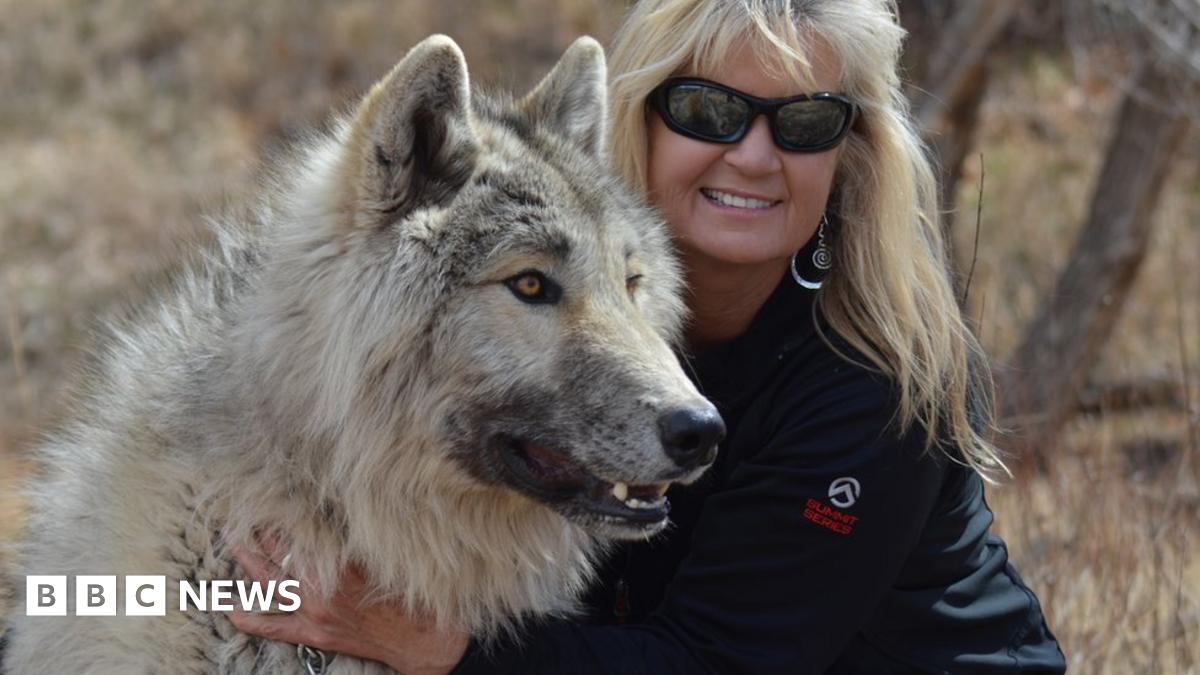
Wolves bring me joy. Seriously I love wolves very much. I will go and read about or draw wolves. I've been lucky to bring wolves into my storytelling too. But in terms of protecting myself and my energy, especially as someone who is neurodivergent, I also will just switch off and read poems.
Dhruti is so perceptive and I also love how she just gives everything a go!
It’s been a hard year for journalists with all the layoffs and diminishing freelancing budgets, but maybe we can all benefit from putting ourselves out there more and channelling our inner multi-hyphenate.
Do you have a side hustle outside of journalism? I would love to hear about it!
See you all next month
Lin
Suggest a journalist for me to interview by filling out this simple, anonymous form!
Feel free to forward this newsletter to your friends and colleagues, or share it on LinkedIn🙏🏽
And if you were forwarded this newsletter, you can sign up here or catch up on the other journalists I’ve featured so far.
Email: [email protected]
LinkedIn: @lintaylor
Instagram: @lintaylorjourno
What I’ve been checking out lately:
📝 I started reading ‘The Correspondent’ by Virginia Evans and I am really loving it so far. My husband’s granny loves audiobooks and over the years, I have become her unofficial booktoker, so I might recommend this to her.
💃 I’m currently obsessed with two music baddies on Insta - @Norsicaa who founded Sama Sama Records, a record label rooted in the Asia-Pacific and its diaspora, and @Giafu, a salsa-loving music curator who runs @cantomambo, a project exploring the “shared rhythm between Asia and Afro-Latin sounds”.
📻 Finally, this fun little podcast called ‘The Morning Shift’ by three Polynesian Kiwi mates sparks so much joy. (I’m sure you all saw their Magnus Ferrell clip). Friday Forgotten Bangers is a good end to the week!
